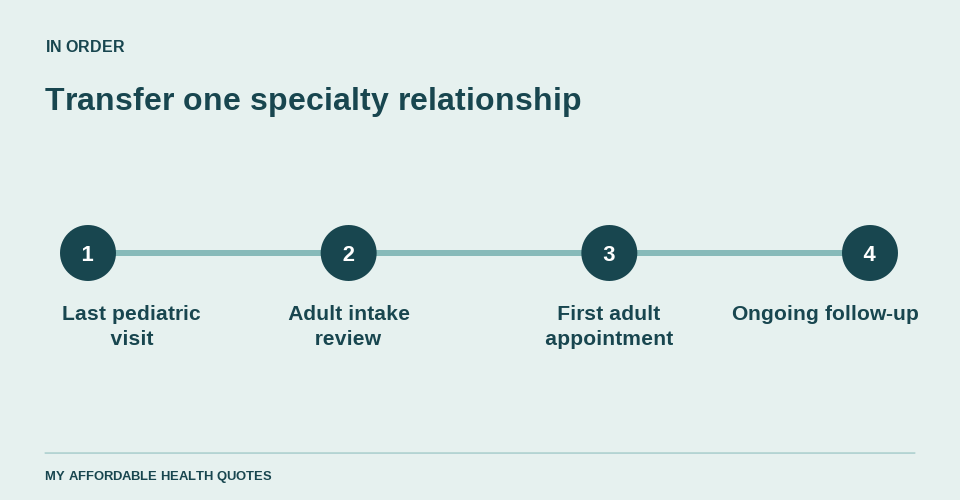
A specialty clinic tells a Wisconsin family that its patient is approaching the age at which it generally transfers care to an adult practice. The family has no intention of changing insurers. Their first instinct is to ask whether their child can remain on the family policy. That is a question worth settling, but the appointment in front of them depends on something else. A young adult can have an active insurance card and still have no adult specialist who has reviewed the referral, accepted the transfer and agreed to take responsibility for the next visit.
Consider Ari, a young adult who is working part time in a family-owned manufacturing business. Ari's parents buy individual family coverage and expect to keep it for the next year. A pediatric specialist has suggested starting the move to an adult clinic before the final scheduled pediatric visit. Ari wants to take over scheduling, keep some details private and have a parent available when billing becomes confusing. The family's insurance comparison needs to accommodate these specific preferences as well as the clinical timetable. The age at which a particular practice transfers patients is an office policy to confirm directly.
Give the young adult the first questions
Before gathering directories, ask Ari what is working at the pediatric clinic and what needs to continue after transfer. The answer might include a location close to work, access to a care coordinator, an interpreter for appointments, or a particular method for receiving reminders. Ari may want help making the first phone call while wanting to handle later appointments alone. Write down the requested help in Ari's words. This makes it easier for a parent who has managed care for years to step back from the parts Ari wants to own.
Then ask the pediatric practice for a transition conversation. Which type of adult specialist does the clinician recommend, when should the receiving clinician see Ari and what work remains with the current practice in the meantime? Ask whether the pediatric team has identified an adult office with the appropriate clinical experience. If so, record its precise name and intake contact. A clinic familiar to the pediatric team is a promising lead. Its recommendations about suitability must still be joined with an appointment offer and a network check for the exact product the family intends to carry.

Track the referral through the adult clinic's intake process
A fax marked successful means the sending device reached its destination. It tells the family little about whether the receiving office matched the document to Ari, found the requested records or assigned it to a clinician for review. Ask the adult practice what a complete referral contains, which channel it accepts and how Ari can check its status. Some offices can book an appointment before records arrive. Others wait until a clinician reviews a summary. Use the office's actual process when estimating how long the transition will take.
Ari's first call produces three names under one health-system label. One is the outpatient practice that reviews referrals. One is the hospital whose scheduling center answers general questions. One is a clinician whose name appears online but who does not see new patients in the needed program. Ari records the outpatient intake team's number along with the person who can confirm receipt. That single change makes the second conversation more productive. Instead of asking the hospital whether it received something, Ari asks whether the program has the adult intake referral from the pediatric office and what remains outstanding.
Check the professionals who can actually take the appointment
The insurer's directory can help identify candidates but cannot reserve the next appointment. Give the insurer the adult practice's billing identity, the clinician if known, office location and precise network name. If the practice assigns a clinician only after reviewing records, ask which participating clinicians or groups can receive the referral and how to verify the eventual assignment. A directory match for a different office address should prompt another question rather than a confident entry on the family comparison. Save written confirmation if available and date the information.
Meanwhile ask the practice whether it accepts Ari's product for a new adult patient and what visit type it books first. A group may participate and still be unable to accept someone within the timeframe the pediatric specialist recommends. Ask whether the practice has a cancellation list, accepts referrals for another appropriate clinician or can identify another intake team. Tell the pediatric specialist about any scheduling gap and ask the care team to explain the clinically appropriate interim arrangements. The family's job is to surface the timing problem, not to decide that waiting is harmless.
Transfer permission as deliberately as the record
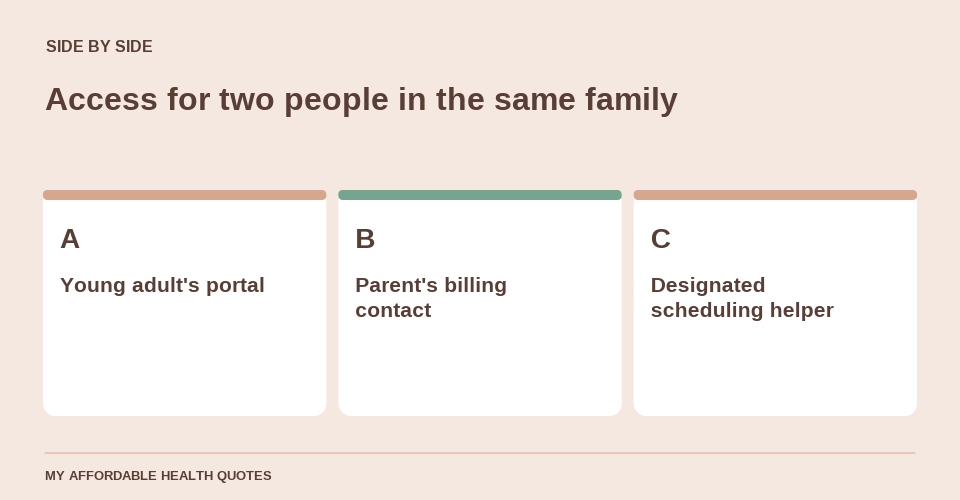
A parent's prior role at the pediatric practice may not correspond to the adult clinic's rules for scheduling, discussing care or receiving health information. Ask each office about its consent and proxy access options and what Ari would like to authorize. A portal proxy, a person permitted to make an appointment and a person permitted to discuss an insurer's claim may involve different arrangements. Choose appropriate access separately at the practice and at the insurer. Ari should keep personal login details private and use the formal methods the organizations provide.
Billing communications deserve particular attention when a young adult stays on a family policy. Ask the insurer where explanations of benefits and other notices go, which contact preferences the member can change and how it handles requests about confidential communications. The answer may depend on the circumstances, policy and applicable law. If the question matters to Ari, get a direct response from the insurer rather than assuming a family login hides or exposes a particular entry. A parent who pays premiums can still support the transition while honoring the young adult's choices about who joins care conversations.
Make the first adult appointment a usable visit
Ari asks the pediatric team to provide the kind of summary the receiving clinician requests, including relevant history, prior reports and any current orders that the professionals identify. Before the appointment, Ari checks that the adult team can open the records and knows which reports will arrive later. A concise personal list can help Ari remember practical questions, such as which office to contact about scheduling and how the clinic communicates results. Clinical decisions about ongoing care and the timing of any instructions belong to the two teams and the patient.
The trip itself can uncover a hidden cost. The pediatric clinic was beside the family business, and a parent could drive Ari there during lunch. The adult office in this example is farther away and its first visits take place only on certain mornings. The family estimates transportation and time away from work separately from covered medical charges. A second in-network clinic with later appointments might fit better if it provides the needed specialty services and can accept the referral. A smaller copayment alone does not identify which option Ari will be able to use consistently.
Identify the handover point after the first visit
A first adult evaluation may end with acceptance for ongoing care, a request for more information, or a recommendation that a different specialty program take the referral. Ask the receiving office to name the next step, who owns it and whom Ari should call with questions in the meantime. Ask the pediatric team when it considers its transfer complete. If the answers leave a gap, raise that with both practices. Ari should leave knowing which professional to contact about current care and how to reach someone if the expected next contact fails to occur.
For a family comparing a renewal with another quote, write down which January appointments have actually been offered under each product. If both insurers name the same group, verify each product's referral rules and whether a change would require new authorization for separately ordered services. If a plan offers a different adult practice, consider the time needed for another records review and identify who would support Ari until that practice accepts the transfer. The Wisconsin Office of the Commissioner of Insurance offers consumer complaint information if a question about state-regulated coverage remains unresolved after working with the insurer.
Ari's version of a successful transfer is simple. Ari can make the next appointment, locate the correct insurance entry, receive messages privately where appropriate and ask a parent for help through an agreed channel when needed. The parent has enough information to compare family premiums and expected expenses without taking over the appointment. The clinician knows where to send the next report. Those concrete outcomes give the family a much more revealing test of an individual insurance quote than searching a long provider directory for the old pediatric specialist's last name.
A useful rehearsal takes ten minutes. Have Ari locate the office's intake number, identify the plan and group on the card, and find the message confirming the appointment. Then let Ari decide where to keep those details. The parent can keep the insurer's general number and payment calendar separately. If a card is lost or a phone is replaced, the family still has a way back to the appropriate office. Practicing with routine scheduling makes it easier to notice a missing permission, an old address or a forgotten password before there is a time-sensitive question. The rehearsal can also reveal which responsibilities Ari is ready to handle without assistance and which tasks still benefit from a joint call.
Sources and further reading
- HealthCare.gov: Comparing health plans
- HealthCare.gov: Summary of Benefits and Coverage
- Wisconsin Office of the Commissioner of Insurance: Consumer complaints