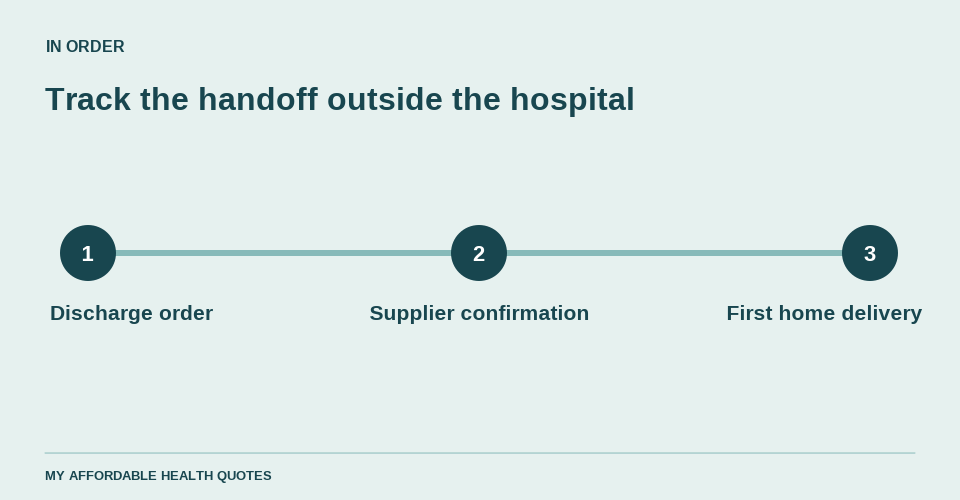
A piece of medical equipment can arrive at a patient's home with a rental agreement, a delivery receipt and an insurance claim that each say something different. Before choosing a private health plan, ask how the policy handles the transition from a hospital order to an outside supplier. The hospital's network participation settles only a part of the question. The company that delivers, maintains and eventually retrieves the equipment may have its own contract and billing rules.
A hypothetical household illustrates why this matters. Following a scheduled admission, one partner may need equipment to support recovery at home. The family does not yet know whether it will be rented for several weeks or longer. They would like to know whom to call if delivery is delayed, what they may owe for recurring supplies, and what happens if coverage renews while the equipment is still in use. The treating and discharge teams decide what is medically appropriate. The insurance shopping exercise is about understanding the handoff and the financial obligations attached to it.
Find the point where responsibility changes hands
Ask the hospital's discharge planning office how it sends an order to a home supplier. Is the patient expected to choose from a list? Will the hospital arrange delivery from a company it commonly uses? Can the patient check the insurer's supplier directory before the order is finalized? These questions establish the workflow, not a guarantee about a particular item. If you are comparing plans in advance, ask what the office can tell you about its usual process and what requires an actual order.
Get separate contact information for the prescribing office, discharge team and equipment company. If an insurer requests more supporting documentation, the supplier may need to obtain it from the prescriber. The patient may first hear of the delay from a delivery driver who cannot resolve it. Knowing which office can correct a missing signature or description is more useful than calling a general hospital number repeatedly. Ask someone to confirm who is following up on the outstanding piece.
Distinguish a sample model used to explain the discharge plan from the exact item a supplier expects to deliver. If the order allows substitutions, ask the prescribing team which specifications are required and ask the supplier what it can actually provide. Insurers may price an item by its classification rather than the name printed on a brochure. A household needs a fair comparison between equivalent items. Decisions about whether a substitute is clinically suitable must go back to the person responsible for the order.
Check the supplier and the benefit side by side
Start with the contract's durable medical equipment provision and any separately described supply or home care benefit. Write down which categories need advance approval and whether the plan requires a contracted supplier. If the provision sends the reader to a list of covered items or medical policies, request the current document for this policy year. A summary mentioning devices does not identify the exact model, duration, supplier or circumstances in which a particular claim will be paid.
Give the plan the supplier's business name, billing address and proposed delivery location. A large supplier may have multiple branches or separate divisions for different products. Ask whether this branch participates in this plan for the item in question and whether the contract requires a particular distributor. If the insurer offers another name, call that supplier before you rely on it. A directory entry does not confirm inventory, delivery coverage or the ability to meet the date set by the discharge team.
If the supplier describes an upgrade, ask for a comparison with the standard item meeting the order. Request the total incremental charge, who pays it, whether it is one time or recurring and whether choosing it changes the insurance claim. Some patients may value particular features enough to pay personally. They need to understand the obligation and know what the prescribing clinician requires before signing. A family should not have to guess whether a verbal price includes an extra monthly rental fee.
Build the ledger the first invoice will need
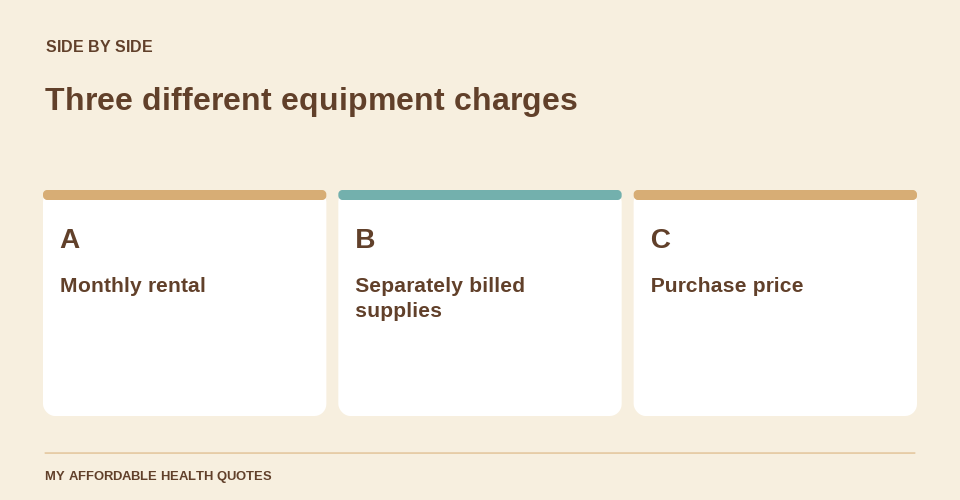
Separate the equipment itself, consumable supplies, delivery or setup, and any service or maintenance charges. Ask which items generate independent claims, which are included in the rental and which must be ordered again. Record the expected amount and date of the first bill in each category. If the supplier asks for an upfront payment, establish whether it is a deposit, estimated member cost sharing, the full purchase price or a noncovered upgrade. Those are very different amounts to reconcile later.
Take a made-up example with a monthly allowed rental amount of one hundred dollars. If the relevant deductible has already been met and the member's coinsurance is twenty percent on covered rentals, the arithmetic gives twenty dollars per month under those assumptions. If a new plan year begins and a deductible applies again, the next month's member cost may change. If supplies are charged under another provision, the twenty-dollar estimate does not account for them. These numbers are illustrative; ask for the actual benefit and contracted amounts.
A cash purchase quote is a useful comparison only if the household understands what it buys. Does ownership transfer immediately? Are delivery, returns, repairs and replacement parts included? Will the insurer reimburse a purchase from that source or credit any expense toward the deductible? Do not assign a tax or insurance benefit to the cash purchase unless an appropriate source confirms it. A quote that looks lower than months of rent may still leave the patient responsible for service the rental would have included.
Make delivery an identifiable event
A discharge date, promised delivery date and actual equipment arrival can be different. Agree with the care team on whom to notify if delivery cannot be completed as planned. This is especially important when a supplier needs a person to be present at home for setup. Ask about after-hours help and whether a second address or temporary location can be served. Do not make clinical decisions about leaving the hospital or substituting equipment based on billing advice. Bring any safety or timing concern to the clinical team.
When the item arrives, keep the packing document and note the model, identifying number if present, delivery date and included accessories. Check that the receipt accurately states rental or purchase. Ask for written instructions on reporting equipment issues, replacing supplies, and requesting pickup when appropriate. The care team or supplier should provide any required training. From a billing perspective, the receipt creates a concrete starting point when a later claim has a different service date or refers to an unfamiliar model.
Ask how renewal and authorization work if the item remains in use longer than initially anticipated. A supplier might request updated documentation, another physician order or a new approval. Set a reminder before a known expiration date so the offices can sort out any missing request. If the patient changes plans while renting, confirm whether the current supplier can continue, whether another needs to take over, and whether a new approval is required. A working device at home does not itself ensure uninterrupted billing coverage.
End the rental in writing
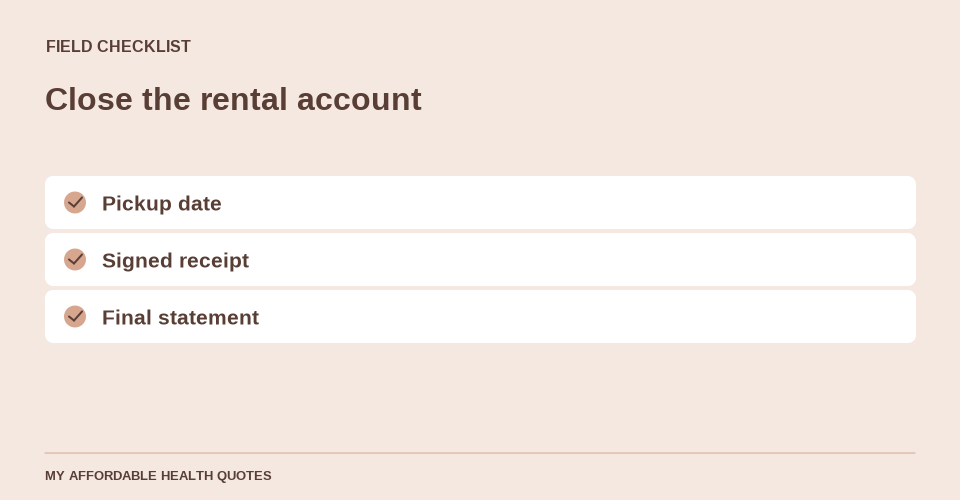
A patient may believe the rental ended when the clinician said it was no longer needed. The supplier might close billing only after pickup or another documented step in its agreement. When the clinical team confirms that return is appropriate, contact the supplier and obtain a pickup appointment or written return instructions. Record the date you requested return, any delay caused by scheduling, and the final date the company accepts the equipment. Keep a receipt listing the equipment returned and the person or system that confirmed it.
Compare the last statement with your paperwork. A charge for the previous month may appear after the equipment has been collected, while a claim for a service period after pickup deserves investigation. Ask the supplier what service dates the bill covers before assuming it is a duplicate. If a claim was submitted for a different item or a wrong date, a corrected claim may solve the issue. If the insurer denies coverage for the service as correctly described, follow the written denial and applicable appeal instructions.
End your insurance comparison with two contacts and a timeline, rather than a price alone. Can a participating supplier actually deliver the required class of equipment to this home? Which office will coordinate authorization if documents are incomplete? What exactly starts and ends rental billing? A policy with a precise supplier route and understandable return obligations may fit the family's situation even if another brochure advertises a more attractive isolated percentage. Bring these questions to the licensed agent preparing your quote, keeping personal medical records with the treating offices and insurer.
Consider what a household member could prove if the person who received the equipment were away when the supplier called. A refrigerator magnet with a company's general number could connect the family to a different branch. A copy of an explanation of benefits might show the charge without identifying the particular unit. Put the branch's contact details, the agreement and the serial number in the same accessible place. Where someone else will discuss the account, ask what permission the supplier and insurer need. Receiving a delivery for a relative and discussing that relative's claims are different responsibilities. Set those permissions up while the person directing the rental can participate.
Sources and further reading
- HealthCare.gov: Summary of Benefits and Coverage
- HealthCare.gov: Comparing health plans
- HealthCare.gov: Marketplace benefits
- HealthCare.gov: Appealing a health plan decision