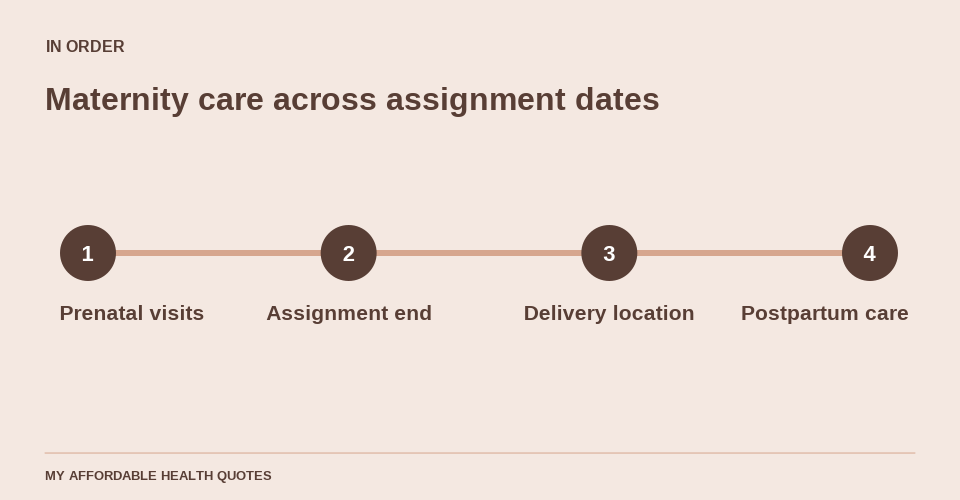
If you are pregnant during a Tennessee travel assignment, map coverage through prenatal care, delivery, postpartum care, and the baby's enrollment. The assignment's end date may fall between those stages, so confirming that the current plan covers maternity is only the first step. Ask your treating clinician about the appropriate care and travel plan, then verify the providers, insurance dates, and administrative requirements that support it.
A pregnancy does not make every coverage change immediately available. HealthCare.gov explains that Marketplace plans cover pregnancy and childbirth, including a pregnancy that began before coverage, but pregnancy alone does not create a federal Marketplace Special Enrollment Period. Other qualifying events or programs may be relevant, and the birth itself creates an enrollment event. Check the actual route and dates before canceling existing coverage or assuming a replacement can begin whenever you choose.
Choose a clinical plan before a billing plan
Discuss the expected assignment schedule, location, travel, and work demands with the obstetric clinician. Ask which visits can occur locally and which should remain with the established team. If you expect to return home before delivery, ask how records and responsibility will transfer. The answer should reflect your medical situation rather than a general travel-work timeline or a recruiter's expectation about availability.
Identify the intended delivery location and a reasonable contingency if circumstances change, with clinical guidance. Do not assume that the hospital where you work is automatically the appropriate or participating facility for your own care. Employment access and personal insurance access are separate. The plan should be checked against the actual obstetric practice and delivery facility, not merely the institution name on your assignment contract.
Keep work-status communication through appropriate channels. The employer may need information about restrictions, scheduling, or leave, while detailed clinical records belong with the treating team and authorized benefit processes. Avoid placing sensitive medical information in broad recruiter group messages. A clear division of information protects privacy without preventing the necessary planning.
Verify the full maternity pathway
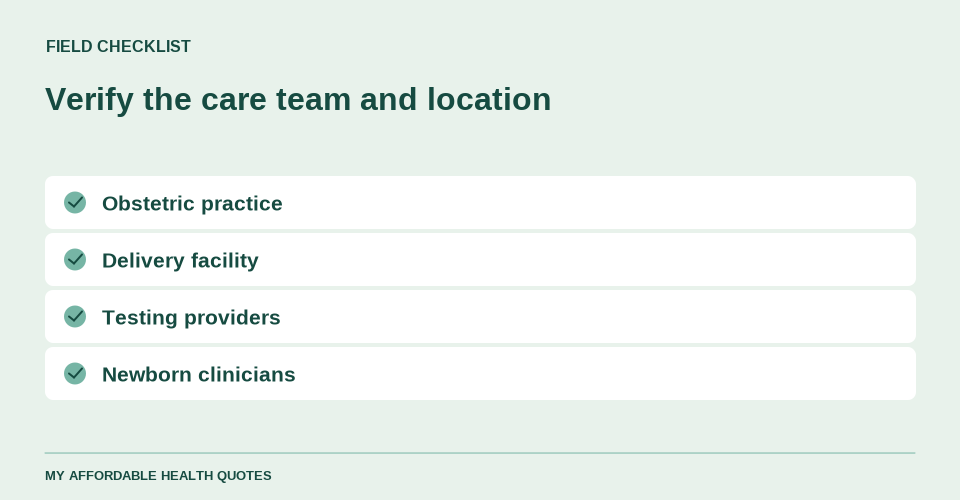
Ask the insurer and practice about prenatal office care, testing, delivery services, and postpartum follow-up under the exact policy. Confirm relevant providers and facilities, and ask how referrals or authorizations work where applicable. A participating obstetrician does not independently establish the network status of every laboratory or facility. Ask the practice which services are likely to be billed separately so you know what to verify.
Request an estimate that states its assumptions, including the plan, service setting, and expected coverage dates. Maternity billing can involve arrangements that are not obvious from a single office copay. Ask how a change of clinician or insurer during pregnancy would be handled. Do not assume that payment toward one practice's estimate settles every later claim or transfers automatically to another practice.
Check the plan-year boundary. Prenatal care and delivery may occur in different benefit years, and deductibles or out-of-pocket limits may reset. If you change agency plans, prior spending may not carry over. Ask for the applicable rules and use them in the budget, while recognizing that the timing and services of actual care may differ from the original estimate.
Confirm eligibility during time away from work
Ask the agency how health benefits continue during an approved leave, reduced hours, or the end of the assignment. Obtain the rule that applies to your employment situation rather than assuming every traveler receives the same continuation. Ask how employee premiums are paid when payroll is reduced or paused and where notices will be sent. A missed deduction can become an administrative issue even when coverage is intended to continue.
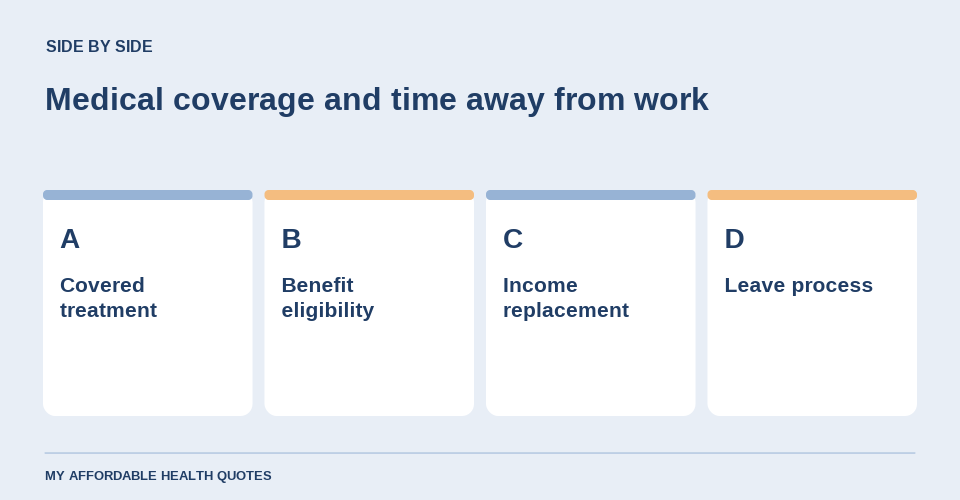
Keep health insurance separate from paid leave and disability benefits. One policy may address medical bills while another arrangement may address some lost income, subject to its own requirements. A maternity benefit in the health plan does not guarantee paid time off, and a disability payment does not itself establish active medical coverage. Request separate explanations and documents for each.
If the assignment may end before delivery, ask for the expected medical termination date and available continuation information. Evaluate any eligible alternative coverage using actual effective dates and provider access. Do not rely solely on a possible future contract or an informal assurance that the agency will find another placement. A confirmed coverage sequence is especially important when several stages of care depend on it.
A worked assignment timeline
Imagine a hypothetical travel nurse, Lena, on a Tennessee assignment that is scheduled to end before her expected delivery period. Lena plans to return home and continue care with an established obstetric practice. The current agency plan includes local prenatal care, but Lena has not checked whether benefits continue after the final assignment day. She creates a timeline showing the last local visit, return travel, first home visit, expected assignment end, and current coverage termination rule.
Lena asks the agency for written benefit dates and the home practice for an intake and record-transfer plan. She verifies the home practice and intended delivery facility under any coverage she might continue or obtain. If a replacement option is not currently available, she does not treat an online quote as enrollment. She checks whether a qualifying event or another eligible route applies and confirms the effective date before making a change.
For a hypothetical budget exercise, suppose a continuation option would cost $500 more per month than Lena's current employee contribution for three months. That creates a $1,500 premium difference to evaluate, not an automatic reason to reject continuity. Lena compares the actual network, accumulated cost-sharing, new-plan deductible, and care-transfer implications. Any medical recommendation about where and when to deliver remains with her treating team.
If the assignment is extended, Lena revisits the plan instead of assuming the extension solves every problem. The additional work may change location and eligibility dates, while the clinical care plan may also need review. She asks what happens if she needs to stop working earlier than planned. The objective is a realistic coverage map that can be updated, not a rigid calendar based on one expected date.
Prepare the newborn enrollment task before birth
Ask the current plan how to add a newborn, what deadline applies, what information can be submitted initially, and how coverage is confirmed. Employer-plan and Marketplace processes can differ, so use the instructions for the actual policy. Do not assume the hospital's registration process completes insurance enrollment or that listing the baby on a medical record automatically creates a dependent policy record.
HealthCare.gov describes birth as a Marketplace enrollment event and explains that existing members should report it promptly. The available choices for existing household members and the newborn are not necessarily identical. If you use Marketplace coverage, follow the current application instructions and confirm the result. If you use an employer plan, contact its administrator directly rather than applying a Marketplace deadline to that arrangement.
Assign the administrative task to a specific adult who can act through the plan's permitted process. Keep the member information and contact details accessible. After enrollment is submitted, verify the baby's active record and effective date. A receipt saying information was received is helpful, but it should be followed by confirmation that the intended coverage is in place.
Keep postpartum care in the location plan
Discuss postpartum follow-up and any anticipated support with the treating team. If you will be in a different state after delivery, ask how continuity will work and whether a local clinician is needed. A video appointment is not automatically permitted or covered from every location, so have the practice and insurer check those questions separately. Do not let the end of prenatal planning become the end of coverage planning.
Review prescriptions, supplies, and services under the actual plan rather than assuming every item associated with childbirth has the same coverage rule. Ask the insurer which suppliers participate and whether an order or other documentation is required. Keep practical arrangements, such as transportation or help at home, separate from insured benefits unless the policy specifically provides them.
If public program eligibility may be relevant, use the official state or Marketplace process to determine it. HealthCare.gov notes that pregnancy can affect eligibility for Medicaid or CHIP, but eligibility and duration depend on the applicable rules. Do not assume an income figure or another traveler's experience determines your result. Wait for confirmed coverage information before ending another policy.
Resolve discrepancies with the correct office
If the obstetric practice's estimate, insurer's explanation, and agency's dates do not agree, identify which fact is disputed. The agency can address employment eligibility, the insurer can address plan benefits, and the practice can explain services and billing. Sending every question to the recruiter may produce reassuring but incomplete answers. Ask each party for the decision it actually controls.
For an insurance complaint within Tennessee's jurisdiction, the state consumer resources office may help identify an appropriate route. Some employer plans involve federal oversight or another state's regulator. Keep the policy name, sponsor, dates, and written notices ready so you can be directed correctly. Preserve any formal appeal deadline while seeking assistance.
Before accepting or extending a Tennessee assignment during pregnancy, request a comparison based on the full sequence of care and coverage. The useful question is not only whether maternity is included. It is whether prenatal visits, the delivery location, postpartum care, and newborn enrollment can all be coordinated under confirmed benefits while your work situation changes.
Sources and further reading
- Coverage during pregnancy and after birth
- Pregnancy and newborn coverage job aid
- Tennessee insurance consumer resources