The owner of a Maryland consulting studio pays the premiums for a family health policy. An adult family member who works in the business wants to handle personal health matters independently. Both people want to understand where notices go. The owner needs enough information to budget for the household, while the adult member wants a private route for appointments, results and claims questions. A family plan can be a sound financial choice, but separate clinical conversations do not automatically create separate insurer communications. When comparing policies, follow the path a notice takes after the appointment.
Start with the document you are trying to route
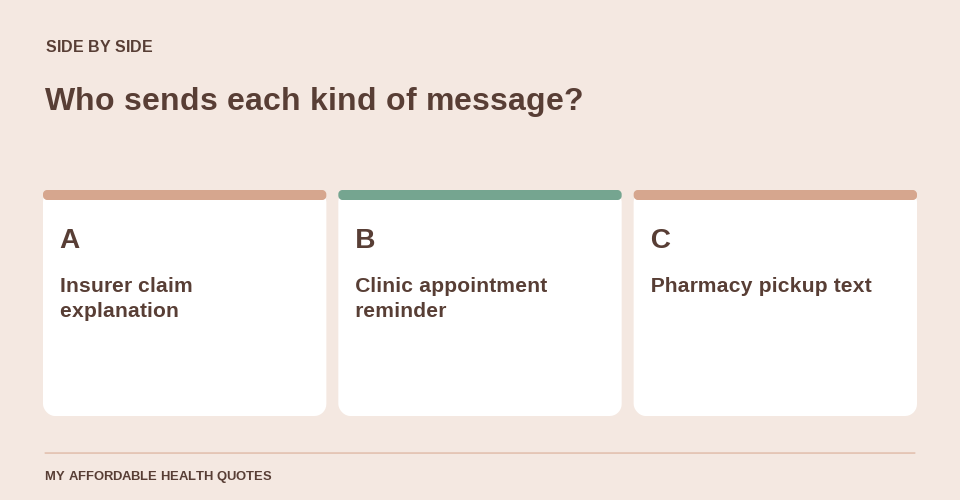
A practice sends an appointment reminder. A clinician might post a result in a patient portal. A pharmacy can send a pickup message. The insurer processes a claim and may generate an explanation of benefits. A separate billing vendor may later issue an invoice. These messages can concern the same visit while using unrelated addresses, phone numbers and account settings. Asking the clinician to call a personal phone does not instruct the insurance carrier where to deliver a claims notice. Likewise, a change in an insurer account may have no effect on the pharmacy profile.
Take a single anticipated appointment and identify which messages could follow. The adult member can ask questions without disclosing to the family what care they intend to seek. They might say they want to know who can see a claim at the carrier, who receives paper correspondence and whether the clinic offers individual portal access. A quote comparison should record each organization’s general procedures and which parts require verification after enrollment. A salesperson’s reassurance that everyone gets a card is about proof of membership, not about the messages generated when someone uses that card.
Separate the household’s financial role from account permissions
The person paying the family premium may manage enrollment, receive a household invoice and see information about shared financial obligations. A separate adult may be the patient for a particular claim. Ask the carrier what the subscriber can see in its portal, what can be seen only through an adult member’s individual account, and what happens when a shared deductible or spending limit is displayed. Answers can depend on the plan and system. A person trying to keep a matter private should ask about visible claim details as well as notices physically delivered to the home.
Ask how each adult creates and recovers an account. If all password resets go to a shared business email address, separate usernames give limited practical control. If someone has previously granted proxy access, check the scope, current status and process for changing it with the organization that granted it. The family may choose to share expense totals for budgeting, yet each adult can still ask what permissions exist before giving someone else access. An individual looking for a private route should use a contact method they can safely control when seeking answers.
Understand Maryland’s confidential communications request
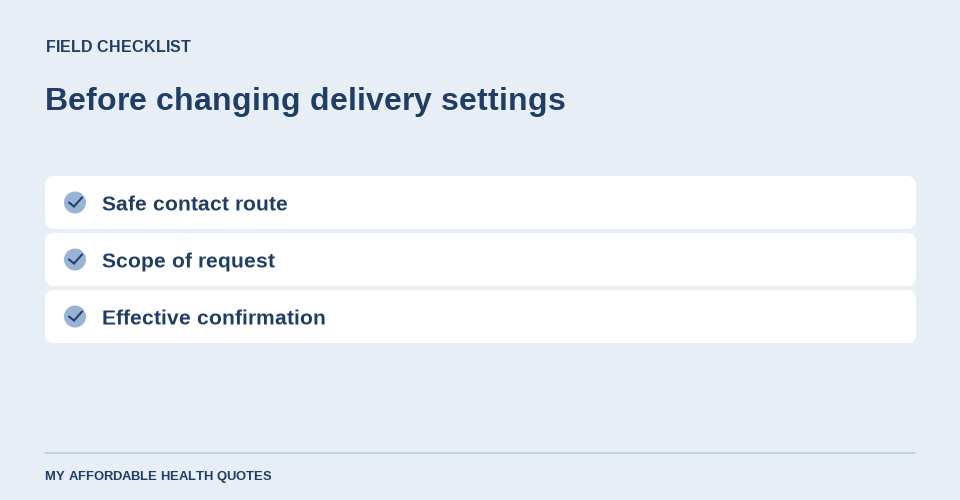
Maryland’s Insurance Administration publishes a confidential communications form for a person who believes that giving health information to the individual paying for the insurance could put them in danger. The state explains that the person can ask the insurer to send communications to another address or use another means. It recommends checking whether the insurer accepts a request by phone or email before submitting a written form. Read the current instructions directly and use the contact route for the actual insurer. Sending the form to a medical practice or to the state website does not complete a request to the carrier.
The state form explains that existing communication practices may continue until the insurer approves the request. Ask how the carrier will confirm receipt and approval, when a change takes effect, which notices it covers and how it will contact the member if it needs clarification. Identify a safe return route before sending anything sensitive. Someone seeking routine privacy without the danger circumstance described by the state should ask the carrier about ordinary account preferences and member-specific delivery options. Those are useful questions, but they are a different path from invoking a condition on the state form.
Test electronic delivery separately
Selecting paperless statements can remove an envelope from a mailbox while adding an email or notification to a shared device. Ask what the notification itself reveals, which email receives it and whether it includes an attachment or simply prompts someone to log in. If an adult switches an account to electronic delivery, verify whether that change affects only their own notices or the entire household. Also ask about correspondence that may continue on paper, such as a decision requiring a formal response. The word paperless often describes a delivery preference, not a complete inventory of messages.
Consider what happens when an address changes. A young professional might work temporarily in Baltimore, retain a permanent home address elsewhere in Maryland and receive business mail at a studio. Changing an official residential address can affect enrollment or correspondence in ways that differ from choosing a safe mailing address. Describe the real residence accurately and ask how the system records a separate communications address. The goal is to meet the plan’s enrollment requirements while choosing an appropriate delivery method. Entering a false residence can create a separate eligibility issue without solving the original privacy concern.
Work through one example from start to finish
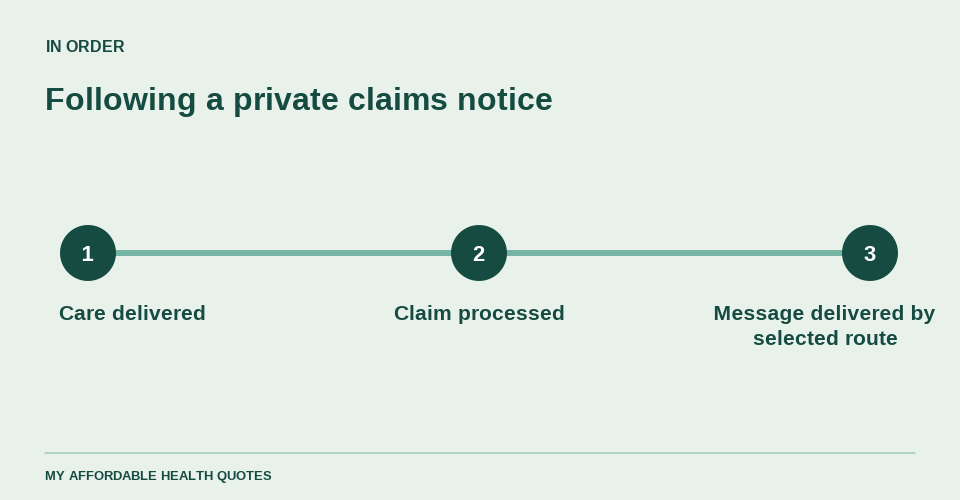
Suppose an adult family member schedules care at a participating outpatient clinic. At booking, they provide a private callback number and ask who can see the clinic’s portal messages. They check how the clinic sends a bill and whether an outside laboratory might bill separately. Before using insurance, they ask the carrier how explanations are delivered and what will be visible to the subscriber. Each answer needs its own owner. A receptionist can describe the clinic’s reminder settings. The carrier can explain claims communication. The laboratory may maintain a different billing profile.
Now imagine the insurer has approved an alternate communication route. Ask whether the approval applies to the identified member across services, how long it lasts and whether it transfers if the household changes policies at renewal. Ask how to report an error through a safe method. Retain the confirmation privately, if doing so is safe. Avoid testing a sensitive arrangement by deliberately submitting a claim or requesting an email that another person may see. The insurer can explain how to verify settings without creating an avoidable disclosure through the very route the member is trying to change.
Decide what information the budget really requires
A household paying for coverage may want to compare annual premium, deductible, expected contribution and emergency savings. Those figures can be discussed without every adult reporting the details of every appointment. For example, a family might agree in advance how much each adult contributes to shared premiums and how an individual pays a member balance to a provider. Ask the carrier how payments and deductibles are displayed so the agreement reflects the actual system. The family’s own budgeting arrangement does not change the rules governing disclosures by an insurer or a medical provider.
Consider the alternative of separate individual coverage only after checking eligibility, enrollment timing, available networks and total household costs. Separate policies can mean additional premiums, independent deductibles or a different enrollment opportunity. They also change who manages the account. Do not assume an adult can move to a new plan immediately simply because their communication preferences changed. If separate coverage is being considered, obtain a real quote for the adult’s residence and compare the practical change in privacy alongside costs and access. A separate policy still requires appropriate choices about contact details, provider accounts and billing correspondence.
Recheck at renewal and after ordinary business changes
A small professional practice can change its bookkeeping arrangements, office address or administrative assistant midyear. If insurance mail accidentally arrives at the studio, more people may handle it than the family intended. Check that personal insurance correspondence uses the address the member selected and that a business administrator has only the access appropriate to the task. A payroll or accounting helper who pays an invoice generally has no operational need to receive clinical reminders. The household can define that separation in its own records while each adult confirms how the actual issuing organizations handle delivery.
When requesting Maryland quotes, ask each carrier for a plain explanation of individual adult accounts, subscriber visibility, paper and electronic communication, and the method for confidential requests. If the member needs a safe conversation, let that person choose how and when it occurs. The quote advisor does not need an explanation of a private medical issue to identify a carrier’s published contact route. Keep the answer specific to the plan year and the applicable type of coverage. Then make sure the member can reach that route independently after enrollment, when the first real question arises.
If a notice arrives somewhere unexpected, identify the sender before changing settings everywhere. Preserve details of the delivery if it is safe to do so and ask the issuing organization to investigate the specific communication. A mailing error, an outdated portal proxy and a pharmacy reminder going to an old telephone number require different fixes. Locating the origin helps the adult regain control of the relevant channel and gives the family a much clearer basis for evaluating the plan at renewal.
Sources and further reading
- Maryland Insurance Administration, request for confidential communications
- Maryland Insurance Administration, confidential communications request form