A health plan can cover treatment for a condition while preferring a different biologic product from the one a patient currently uses. When comparing Kentucky individual policies, check the exact medication, formulation, benefit channel, and any step-therapy requirements. A search for only the reference drug's familiar brand name can miss the actual decision you need to make with your prescriber and insurer.
Do not change, delay, or stop a biologic treatment based on a quote comparison. The prescribing professional should guide treatment choices and any transition. Your insurance task is to identify what the policy requires, what the clinician recommends, and whether an exception or other review is needed to align them.
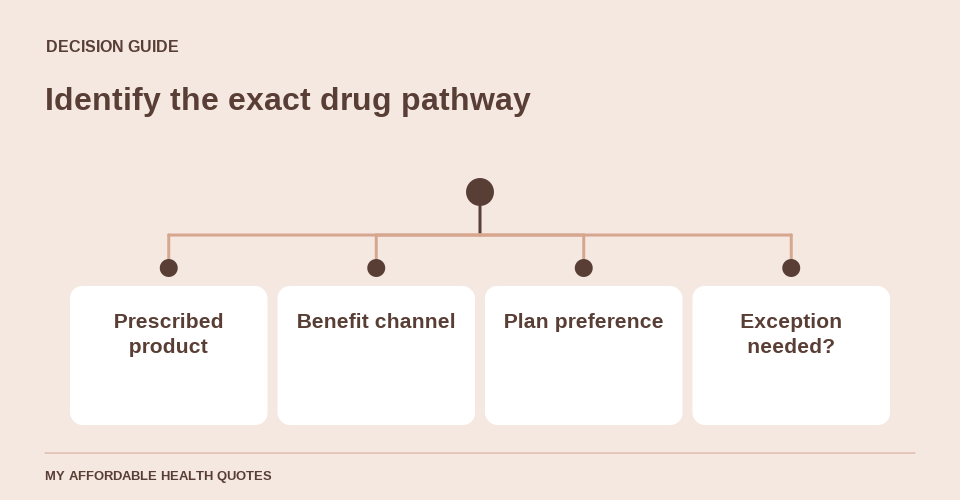
First branch: which exact product is prescribed?
Write down the medication's brand and nonproprietary name, strength, formulation, route, and expected dosing schedule as supplied by the prescriber. Similar names can refer to products that require separate entries in an insurer's system. Ask the pharmacy or clinician to confirm the exact product identifier needed for benefit verification.
The FDA explains that approved biosimilars are highly similar to their reference biologics without clinically meaningful differences in safety or effectiveness. An interchangeable designation concerns additional substitution requirements and state pharmacy law; it does not mean other approved biosimilars are inferior. Insurance preference and clinical appropriateness should still be discussed for the individual patient.
Keep that scientific question separate from the financial one. FDA approval does not establish which product your insurer covers or what you will pay. The FDA itself directs patients to their insurance provider for coverage and reimbursement information. A policy comparison therefore needs the plan's current drug rules as well as the prescriber's recommendation.
Second branch: medical benefit or pharmacy benefit?
Ask where the medication is processed under the proposed policy. A self-administered product dispensed by a specialty pharmacy and a provider-administered therapy can follow different procedures. Do not assume that a retail formulary search answers a medical-benefit drug question or that every formulation of a medication uses the same channel.
If the drug is administered by a clinician, identify the location, administration charges, and supplying pharmacy. If it is shipped to you, identify the designated specialty pharmacy and delivery arrangements. The same medication conversation can involve separate questions about the product, provider, and place of treatment.
Request the relevant current document and effective date. Insurers may publish separate pharmacy lists, medical-benefit drug policies, and prior-authorization criteria. Ask which governs your exact individual product. A document from an employer plan or another state may be useful background but should not be treated as the final coverage answer.

Third branch: is the product preferred, nonpreferred, or excluded?
Ask the insurer to describe the status of the prescribed product and any preferred alternative by name. A representative's statement that a biologic class is covered is not enough. You need to know whether the current product is eligible, what cost sharing applies, and whether any additional review is required.
If the product is nonpreferred, ask whether that means higher cost sharing, prior authorization, step therapy, an exception requirement, or a complete exclusion. Those terms have different consequences. Record the exact answer instead of translating every unfavorable status into the vague phrase not covered.
Ask how the rules apply to someone already receiving therapy versus someone starting it. Do not assume an existing prescription or another insurer's approval automatically satisfies the new policy. The prescriber may need to submit treatment history or other information through a specific process.
Fourth branch: what does step therapy require?
Ask for the actual sequence or prerequisite and the evidence needed to show it has been met. The question is not merely whether step therapy exists, but which products or treatments the rule addresses and how the plan evaluates prior experience. Let the clinician determine what history is medically relevant.
If you have used a required alternative before, ask the prescriber or previous pharmacy for accurate records. Do not rely only on memory of a brand name or approximate date if the insurer requests documentation. A clear history can help the reviewer understand whether the rule has already been satisfied or whether an exception is being requested.
If the clinician believes a required step is inappropriate, ask them to explain the medical basis through the exception process. Do not frame the request only as a preference for a familiar brand. The supporting information should address the insurer's criterion and the patient's actual circumstances.
Build the exception request around the stated rule
Kentucky's Department of Insurance includes step-therapy requirements and exception-request procedures in its current utilization-management materials. The applicable process depends on the coverage and rule involved. Ask the insurer for its current exception form, required information, response process, and urgent-review instructions rather than relying on a generic form found elsewhere.
A useful packet identifies the requested product, the rule being challenged, the prescriber's rationale, relevant prior treatment, and any supporting records. The clinician should supply the clinical explanation. The patient can help by ensuring that the policy identifiers and prescription details are accurate and that the submission is acknowledged.
If the request is incomplete, ask exactly what is missing and who must provide it. Keep the submission and response dates. A delay caused by an absent record is different from a substantive refusal after a complete review, and the next action should reflect that distinction.
Do not confuse an exception with a price guarantee
If an exception is approved, read what it authorizes. Does it identify the product, dose, duration, pharmacy, or treatment setting? Ask which cost-sharing terms remain. Approval to access a medication does not necessarily mean a zero-dollar prescription or payment for every associated service.
If the exception is time-limited, record the renewal date and required reassessment. Ask who will initiate the next request. A pharmacy refill reminder may not track a separate authorization expiration, so the patient and prescriber should know which date controls each process.
If an exception is denied, obtain the written reason and appeal instructions. Ask the prescriber to address the actual rationale if further review is appropriate. For time-sensitive treatment, the clinician can explain urgency through the applicable process; do not try to manufacture urgency from a general desire for a faster decision.
Compare the real patient cost
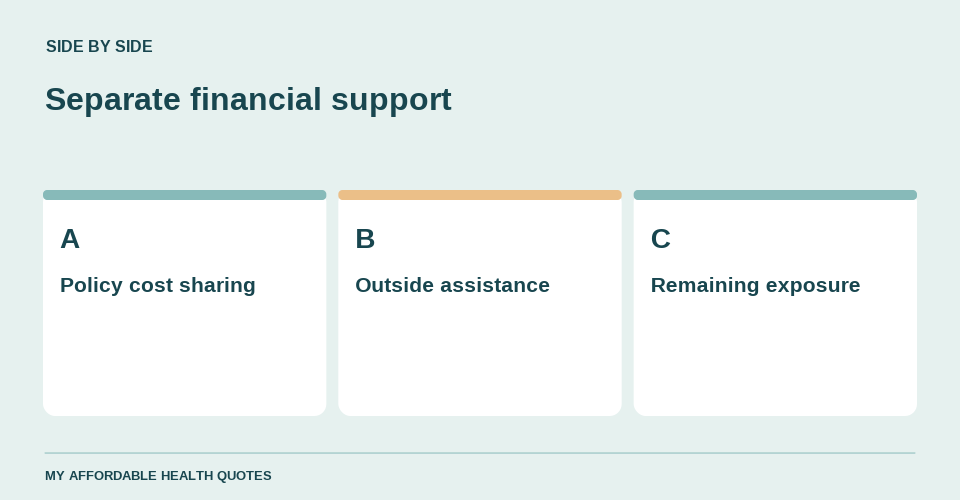
Ask for the expected patient share for the exact product, quantity, pharmacy, and benefit channel. A monthly premium comparison alone can hide a significant difference in specialty-drug expenses. Conversely, a high list price is not necessarily the amount the patient will owe under a covered benefit.
If manufacturer assistance is available, keep it in a separate column from the insurer benefit. Read eligibility, duration, limits, and how the policy treats those payments. Do not assume outside assistance will remain available throughout the policy year or count toward every deductible or out-of-pocket requirement.
A hypothetical patient, Elise, sees a lower quoted copay for a preferred biosimilar but has an unresolved authorization question. She asks the prescriber about the proposed product and the insurer about the approval process before comparing totals. The attractive price is useful only if it applies to the actual treatment arrangement ultimately selected.
Coordinate the pharmacy handoff
If the policy requires a new specialty pharmacy, ask the old and new pharmacies how the prescription and records will transfer. Confirm the shipment schedule, delivery address, and any required patient call. Do not assume that a plan enrollment automatically transfers an active specialty prescription.
Ask the prescriber how to handle the transition safely and what to do if a shipment is delayed. Keep clinical guidance separate from insurance customer service. A representative can explain a claim status but should not direct medication changes that require the treating professional's judgment.
If the product is administered in a facility, confirm that the treatment team accepts the required sourcing arrangement. A medication approved by the insurer still needs a workable delivery and administration pathway. Identify who receives it, how the appointment is coordinated, and which approval covers the facility component.
Recheck when the policy or prescription changes
At renewal, review the current product status and any notices affecting your benefit. Do not assume last year's exception or preferred status continues unchanged. Ask what documentation can be prepared before the next coverage period and when the insurer will accept a new request.
If the clinician changes dose, formulation, or route, ask whether the authorization must be updated. A seemingly small prescription change can require another administrative step. The clinical decision should come first, followed by a precise benefit check that reflects the revised order.
Keep a concise medication-coverage record with the policy, product, pharmacy, approval dates, and unresolved issues. Store clinical records securely and share them only through appropriate channels. A general quote inquiry can identify that specialty-drug verification is needed without including detailed treatment history.
Decide with both the prescriber and the contract in view
For a Kentucky plan comparison, the finished worksheet should show the prescribed product, acceptable clinical alternatives discussed with the prescriber, plan preference, step requirements, exception route, pharmacy or facility, and estimated patient cost. Unknowns should remain visible until answered.
My Affordable Health Quotes can help organize the insurance side of that review. The prescriber remains responsible for treatment recommendations, and the insurer determines benefits under the applicable policy and rules. A useful comparison respects both roles and avoids reducing a complex ongoing therapy decision to a single formulary checkmark.
When the final enrollment documents arrive, confirm that the policy identifier matches the drug review you completed. If an agent substituted a different product, repeat the medication check. A familiar insurer name does not establish that the formulary, specialty pharmacy, or exception procedure is unchanged.
Sources and further reading
- FDA biosimilar basics for patients
- FDA biosimilar and interchangeability explanations
- Kentucky 2026 utilization-management and step-therapy review guide
- UnitedHealthcare medical-benefit specialty programs, example