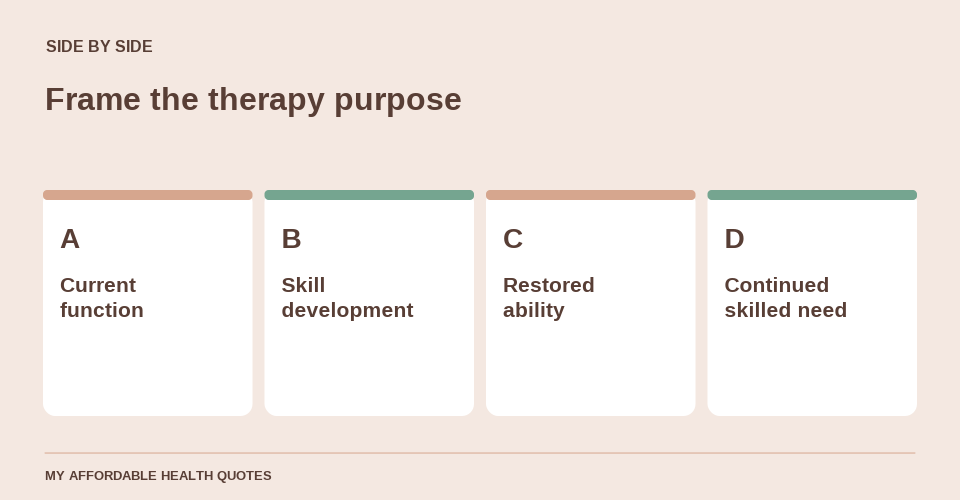
A therapy benefit should not be evaluated only through examples of recovering after an injury. Some people need services to develop skills that have not yet been acquired or to maintain functional abilities. When comparing an Illinois individual health plan, ask how it defines habilitation and how that differs from rehabilitation. The distinction can affect which benefit provisions and clinical criteria are used.
Begin with the treating professional's description of the service and its goals. Do not choose a label yourself to obtain a particular insurance result. The purpose of verification is to ensure that the insurer reviews the actual care under the appropriate provisions, rather than applying an injury-recovery assumption to a different clinical need.
Identify the purpose of the therapy
Ask the clinician to explain the skill or function being addressed, the current baseline, the proposed service, and how progress or continued need will be evaluated. Plain-language goals can help you understand the plan, while the clinician supplies any technical documentation the insurer requires.
Habilitation and rehabilitation are included among the essential-health-benefit categories applicable to non-grandfathered individual and small-group coverage, with benefits defined through state-specific benchmarks and applicable rules. CMS's benchmark resource explains that framework. It does not establish that every proposed service, provider, or schedule is automatically covered.
A direct-purchase individual major-medical policy and a limited-benefit product should not be assumed to provide the same protections. Confirm the product category before discussing therapy details. The word private tells you too little about the underlying contract to settle the question.
Find the definitions in the actual policy
Search for habilitative, rehabilitative, developmental, therapy, maintenance, and functional improvement. Read the definitions and any exclusions together. A term may appear in a general benefit description and again in a limitation with important qualifications. Save the full relevant sections for review.
Ask the insurer which provision applies to the clinician's described service. If the answer is that the policy only covers restoration of a lost skill, ask how its habilitation benefit is addressed. Do not assume the first representative has located the correct section; request a review by the appropriate benefit or clinical team when the explanation is incomplete.
Check for separate endorsements or amendments that affect the benefit. An older base contract may not show every current provision. Keep the coverage year and document version with your notes so you do not compare one plan's current terms with another plan's outdated summary.
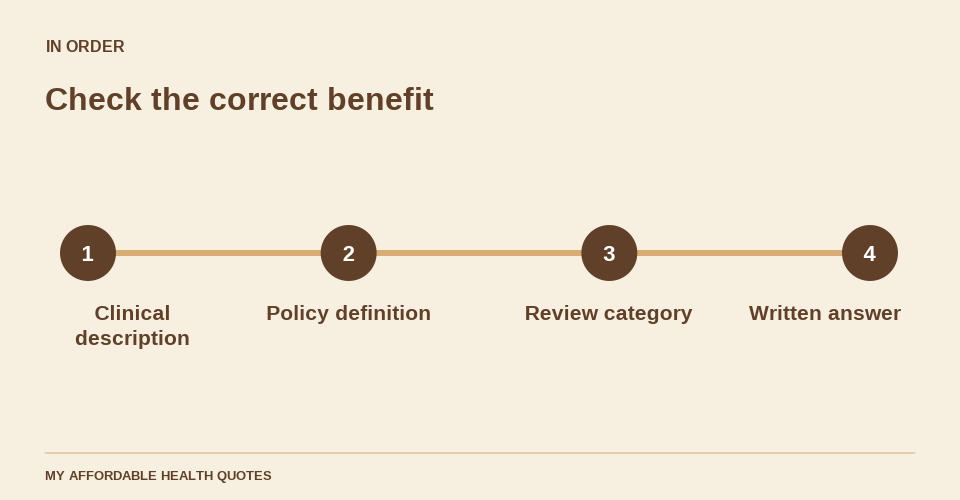
Avoid diagnosis-only assumptions
A diagnosis can be relevant, but it does not by itself explain every requested therapy service. Ask the clinician to connect the proposed work to functional needs and the specific treatment plan. The insurer may need information about the service, setting, frequency, and goals in addition to the diagnosis.
Likewise, do not assume that a general exclusion mentioning education or recreation applies to every therapy activity that uses learning or play. Ask what the insurer is actually excluding and why it believes the proposed service falls there. The clinical record should describe the professional intervention rather than relying on the appearance of an activity.
If a claim is classified as rehabilitation when the provider intended habilitation, ask the provider and insurer to review the coding and documentation. A correct classification should reflect the service delivered. It is not appropriate to relabel care solely to reach a more favorable benefit counter.
Separate school services from medical insurance
A child may receive services through a school and also have a medical therapy recommendation. Ask each team to explain its goals and responsibilities. Do not assume that the existence of one service automatically establishes or eliminates coverage for the other. The purposes and eligibility systems need to be understood separately.
When an insurer asks about school-based services, provide accurate information through the appropriate process. Ask what relevance that information has to the coverage decision. The treating clinician can explain how the proposed medical service differs, overlaps, or coordinates with other support without overstating either system's role.
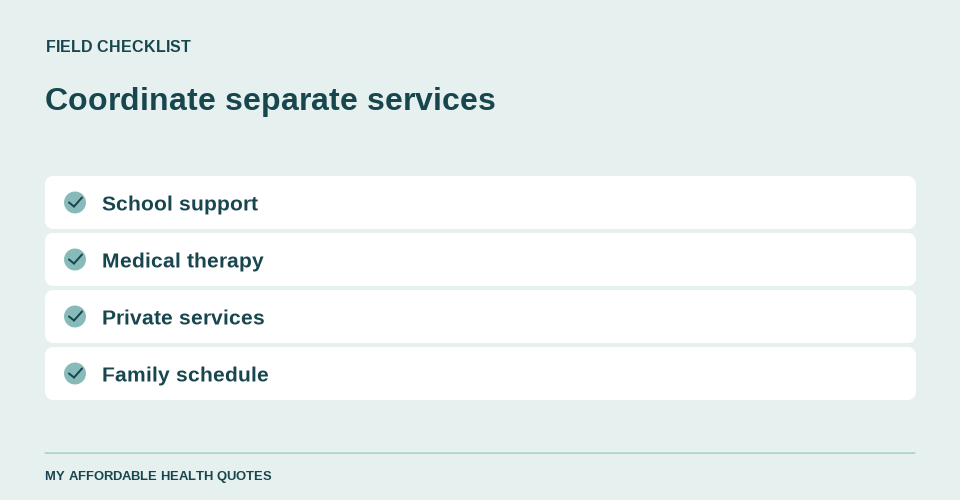
For family planning, create separate rows for school services, insurance-billed therapy, and privately purchased support. This helps avoid double-counting appointments or assuming that a service is funded by insurance when it is actually delivered through another arrangement. Keep the child's clinical and educational records secure.
Check the provider and setting
Verify the clinician's discipline, practice, and location under the exact network. A provider may offer the needed service but have limited appointment availability or participate only with certain products. Ask about accepting new patients and the expected start date before treating the network listing as usable access.
If the service is delivered at home, in a clinic, or by telehealth, ask whether the policy applies different requirements. Do not infer that a benefit available in one setting is approved in every setting. The clinician should advise on suitability, and the insurer should explain the applicable administrative conditions.
If no appropriate participating provider is available, document the search and ask the insurer about access assistance or an exception process. Include the service needed and practical availability information. A specific record is more useful than a general statement that none of the listed providers seem right.
Understand authorization and benefit limits separately
Ask whether an initial evaluation needs approval and whether treatment is authorized in blocks. Record the approved services, provider, dates, and number of visits if applicable. A successful evaluation claim does not necessarily establish approval for the complete treatment course.
Also ask how any contractual limits are counted and whether habilitative and rehabilitative services are administered separately under the applicable rules. Do not use a generic therapy limit without confirming its scope. Request a written explanation of what counts, the relevant period, and any exception or review process.
The clinician may need to submit progress information for continued care. Ask which records are required and who tracks the review date. A missing report can create an administrative interruption that is different from a substantive conclusion that therapy is no longer appropriate.
A hypothetical classification problem
Imagine a family seeking therapy to help a child develop a functional communication skill. The insurer's initial response discusses recovery after a stroke or injury. The family asks whether the request was reviewed under the habilitation provisions and has the clinician explain the actual goals. This does not guarantee approval, but it identifies a potentially mismatched review framework.
The family then separates three unresolved questions: whether the benefit exists, whether the proposed service meets the clinical criteria, and whether the selected provider is available in network. Treating them separately prevents one favorable answer from being mistaken for completion of the whole process.
In a comparison worksheet, each candidate plan receives the same service description. The family does not rank plans by the number of times a brochure uses the word therapy. It compares the contract language, required process, available providers, and expected patient cost for the actual care recommendation.
Handle maintenance and continued need carefully
If the insurer says progress has plateaued, ask for the precise criterion and the clinical information considered. Have the treating professional explain the goals and any reason continued skilled intervention remains appropriate. Do not assume that every maintenance service is covered or that every lack of rapid improvement justifies ending coverage.
Ask whether the decision concerns the service's clinical purpose, the intensity requested, the setting, or a contractual limitation. These distinctions guide the response. A letter that merely repeats the diagnosis may not answer a decision about frequency or skilled need.
If an adverse determination is issued, obtain the appeal instructions and applicable deadline. Ask the Illinois Department of Insurance for direction where appropriate to the policy. For time-sensitive care, the clinician can help identify whether expedited review is warranted. Clinical decisions about continuing treatment remain with the care team.
Keep a functional record that is useful
A family can maintain a simple appointment and authorization calendar without trying to reproduce the therapist's full chart. Record the service dates, approved periods, and insurer responses. Let the clinician document clinical outcomes. This division of responsibility keeps the family organized without turning daily life into a homemade medical record.
After claims process, compare the benefit category and visit counts with the approved arrangement. If the insurer used an unexpected category, ask for review before more claims accumulate. A recurring classification error is easier to address when the first example is clearly documented.
At renewal, recheck the relevant provisions and provider network. Ongoing treatment does not make every policy term permanent. Ask the treating team what information will be needed if the plan or authorization process changes, and start that preparation before the new coverage period where possible.
Choose based on the service, not the label
A good Illinois plan comparison describes the therapy goal, benefit category, clinical criteria, network access, authorization, limits, and cost sharing. It also identifies what remains uncertain. A broad promise that a policy covers children or developmental needs is not a substitute for that work.
Bring the clinician's service description to My Affordable Health Quotes if you need help organizing individual-policy options. Ask for the documents that address habilitation specifically. The objective is a correctly framed coverage review that recognizes skill development as its own question, while leaving clinical judgments and final benefit determinations with the professionals responsible for them.
Before enrollment, confirm that the final policy identifier matches the documents reviewed. If the proposal changes to another product, repeat the habilitation check rather than carrying over an earlier answer. Similar branding or premiums do not establish that the benefit definitions, network, and review process remain identical.
Sources and further reading
- CMS essential health benefits and habilitative services
- Anthem rehabilitation and habilitation guideline
- Illinois Department of Insurance