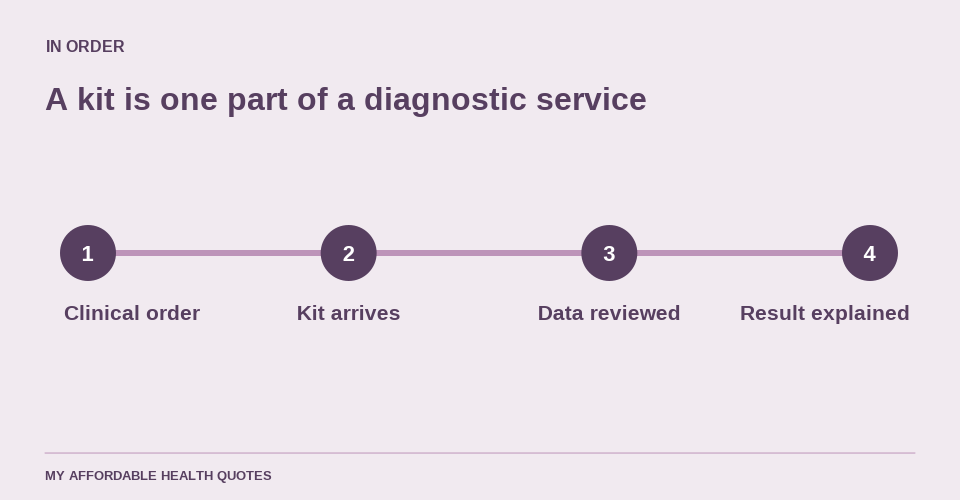
A package left on a porch is an unusual point at which to discover a health insurance question. A clinician ordered a home sleep test, a company shipped equipment, and the patient assumed the arrangement was settled. Now two names appear on the paperwork, a return deadline overlaps a work trip, and nobody has said who will explain the result. Someone shopping for private health coverage can investigate this complete sequence in advance. The household needs access to a diagnostic service, including an appropriate clinical interpretation and follow-up, not just a device that fits through the front door.
Picture a freelance lighting designer whose assignments move between local venues and extended trips. A clinician who knows the designer's circumstances has ordered testing at home. The National Heart, Lung, and Blood Institute describes sleep studies and the different approaches clinicians use. Suitability, timing, device operation and interpretation are questions for the treating professionals. Insurance comparisons should start with what was actually ordered. A home test, an evaluation at a sleep center and a consumer wearable are different arrangements. A quote or online price attached to one does not automatically explain the others.
Follow the order to the organization that acts on it
Ask the ordering office what it has requested, whether it selected a specific testing organization and where it expects the final report. Sometimes a practice handles the entire process through an affiliated testing program. In other cases a separate business supplies the kit, another clinician interprets the information and the ordering clinician schedules a return visit. Ask for the names the patient will see on the consent form, shipping label and bill where available. The important question is which organization furnishes each part of this particular order.
A message saying the order has been placed may mean it entered the practice's electronic system, that it was transmitted outside the practice, or that the supplier accepted it. Ask who confirms receipt and what should happen next. For the designer, a predictable shipping week matters because the package should reach someone able to act within the provider's instructions. If the actual shipment date depends on insurance review, put that decision before shipment on the calendar. A tracking number that appears before coverage has been clarified is a reason to contact the supplier and insurer promptly.
Match the service and the participating organizations
Give the insurer the test description or billing identifier the ordering office can supply, along with the provider names and the proposed plan's full product and network. Ask whether the test is covered in the ordered setting under the circumstances, whether advance review is required and who must submit it. A positive network lookup for the initial office is useful but does not independently confirm a separate testing organization. If the reader bills separately, ask about its network status as well. If the insurer cannot give a final answer before the claim, ask which elements of the estimate it can confirm.
Then check the proposed follow-up. The ordering clinician may plan to explain the result at a previously scheduled visit. Another program might include professional review in its own quoted charge but expect the patient to arrange a separate discussion with the referring office. Neither arrangement can be priced properly without identifying both functions. Ask the office to explain who reads the study, who speaks with the patient and whether each contact could produce a charge. The person who interprets the test and the clinician who helps the patient decide what comes next need not be the same person.
Fit delivery and return around the real work calendar
The designer knows an assignment starts on Monday and the next guaranteed day at home is Friday. Before accepting shipment, ask the testing program about expected delivery, the interval it gives for completion, the required return method and support availability. The appropriate testing schedule is the program's to determine with the patient. Explain night work, travel and any scheduling constraints directly so the professionals can advise. Do not infer from a mail-order process that equipment may be used wherever or whenever the patient happens to travel.
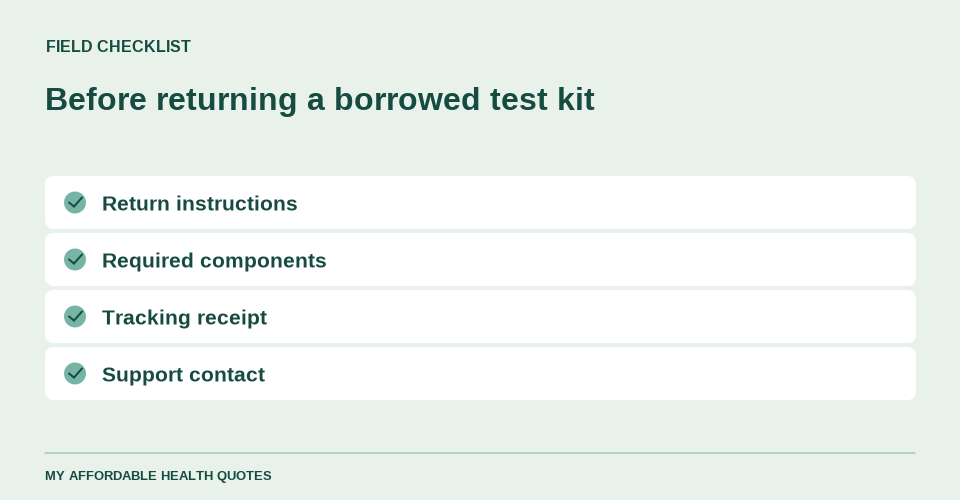
If a family member will sign for the package, ask what acknowledgment that person may give and where instructions will be delivered. A shipping carrier may leave a parcel in a building's package room, starting a delivery record while the patient is still away. Confirm what happens if equipment arrives late, incomplete or damaged. If there are deposits, loss charges or late return terms, ask to see the agreement and how the program dates a return. Document the instructions as given. Insurance coverage for a diagnostic service does not by itself answer a supplier's question about a missing borrowed device.
Decide what the estimated charge actually buys
Imagine one program quotes an illustrative two hundred and eighty dollars and another quotes one hundred and seventy. Before calling the latter cheaper, ask both programs whether the price includes the kit, return shipping, technical processing, professional interpretation and a conversation about the result. Are the figures full cash prices or estimates of member cost after insurance? Could the patient's remaining deductible change the amount? A single price label can mask two very different sets of services. Compare equivalent scopes and keep any uncertain component visible rather than inserting a zero.
For the designer, the business cost may turn on the return arrangement. A prepaid carrier pickup could fit between assignments. A mandatory drop-off at a location open only during work hours could require a lost booking or a substitute worker. Estimate that cost separately using actual scheduling constraints. A hypothetical lost day of gross revenue exaggerates the impact if the work can simply move an hour later. On the other hand, ignoring a paid substitute understates the burden. The useful comparison joins documented member cost with a grounded account of the time the service requires.
Ask the program what happens when information is incomplete
A patient may return the device exactly as instructed and still hear that the program needs more information. Only the clinical team can explain the implications or recommend whether a repeat or different study is appropriate. From an insurance perspective, ask what the original agreement covered and what the ordering team expects to request next. Does a repeat require another shipment, another authorization or a new cost estimate? Is there a charge when the supplier replaces equipment that was defective? The possible answers vary with the contract and circumstances. Obtain the program's approach in writing where available.
Do not assume that a more involved study is automatically covered because the home test came first. If the clinician orders a different service, identify its setting, testing organization, interpreting professional, and any insurer review for the new order. Ask the clinician how timing should be handled while administrative questions are settled. Likewise, a completed home test is separate from any therapy, equipment or ongoing follow-up that might later be recommended. A diagnostic cost estimate should not silently become a prediction of the household's future treatment or an authorization for products the patient has not agreed to receive.
Close the record and the equipment account separately
Retain the return tracking reference, receipt or other confirmation the program requests. Ask when to expect confirmation that the equipment arrived and whether the study produced data the program can review. A carrier marking a package delivered does not show that a clinical report is ready. An online report does not establish that the original supplier closed a rental or deposit record. The designer writes down two separate endpoints, equipment returned and report received by the intended clinician, with a different contact for each. This prevents a missing result from disappearing behind an automated shipping confirmation.
If multiple claims appear, align them with the services described in the original estimate. A professional interpretation and a follow-up evaluation might be separate legitimate services. If one organization has billed twice or has the wrong insurance number, ask for correction. If the plan formally denies a service, request its written explanation and the relevant appeal instructions. Provide the order, authorization if any, service dates and supplier identity when asking for review. The patient can make the insurance inquiry without trying to interpret the diagnostic information personally or sharing detailed clinical results with unrelated billing staff.
A private quote suitable for someone with changing assignments should support a workable route from initial order to a conversation about the outcome. Ask the broker or plan to identify the testing organization it would use, the rules it applies to the home setting and the participating clinician who can handle follow-up. Ask the testing program about logistics once its identity is clear. When those two descriptions fit the patient's real work calendar, the household can estimate both cost and time with greater confidence. When they do not, the unresolved point identifies exactly what to investigate before counting the benefit as accessible.
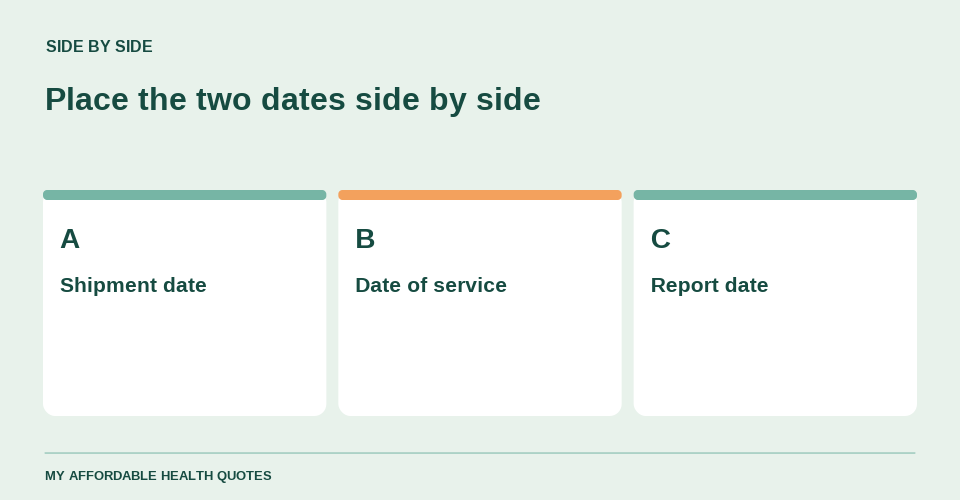
Take particular care if the shipment crosses an insurance change. Ask the testing organization what service date or dates it expects to report and let both insurers explain which parts they can assess under their own contracts. A package could leave a warehouse on one date, arrive on another and generate a completed report later. The date a credit card is charged may be different again. The billing office can identify the dates associated with its actual services. The household can then check the right coverage period without guessing from a tracking notification.
Sources and further reading
- National Heart, Lung, and Blood Institute: Sleep studies
- HealthCare.gov: Summary of Benefits and Coverage
- HealthCare.gov: Comparing health plans
- HealthCare.gov: Appealing a health plan decision